Wellness Vending Machines Expand on College Campuses
News related to:American Society for Emergency Contraception · 2 min read
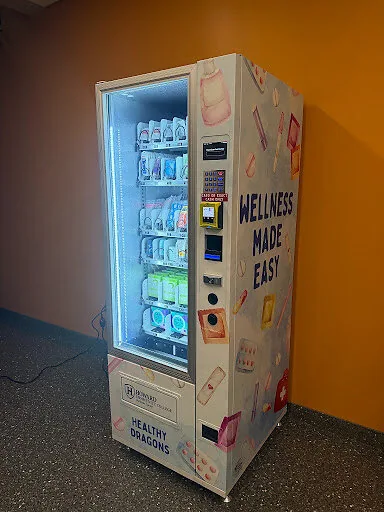
SILVER SPRING, Md., Sept. 24, 2026 /CourierPR/ -- A national grant program from the American College Health Foundation and the American Society for Emergency Contraception (ASEC) is helping colleges across the country install wellness vending machines that offer over-the-counter medications, menstrual products, hygiene supplies, and contraception. These vending machines are becoming a common sight on campuses, providing essential health products that students can access without an appointment or a trip to a distant health center.
By the end of move-in day, these vending machines had become a familiar presence on many college campuses. They are stocked with a variety of items, including over-the-counter medications for common ailments like the flu, antihistamines for allergies, and emergency contraception for unexpected situations. The machines also offer menstrual products and hygiene supplies, addressing the diverse needs of students.
The initiative aims to fill a critical gap in student healthcare access.
The number of campuses hosting vending machines that include emergency contraception has grown significantly since 2020. In 2020, only 16 colleges had such vending machines, but by 2023, the number had increased to over 160. The growth is particularly notable in community colleges, which are less likely to have a student health services or bookstore. With a vending machine nearby, students can quickly access the supplies they need to manage their health and stay focused on their academic goals.
Michael Huey, MD, Chair of the ACHF Board of Directors, expressed excitement about the Community College Vending Machine Grant Program.
The grant program is expected to continue expanding access to wellness vending machines. A new grant cycle is anticipated to be announced in early 2027, and interested parties can sign up for information on the ASEC website.
For students, parents, and higher education administrators, the initiative offers a practical solution to common health challenges. Students can advocate for a vending machine on their campus, while parents can ask about the availability of such machines and support the expansion of these resources. Higher education administrators and staff can explore starting a vending machine program on their campuses to better serve their students.
The American Society for Emergency Contraception (ASEC) and the American College Health Foundation (ACHF) are committed to ensuring that all college students have access to the health products they need. Through the Community College Vending Machine Grant Program, they are working to fill gaps in student healthcare access and support the well-being of students across the country.