Sequence-Energy Introduces Comprehensive Security Protocols
News related to:Sequence-Energy · 3 min read
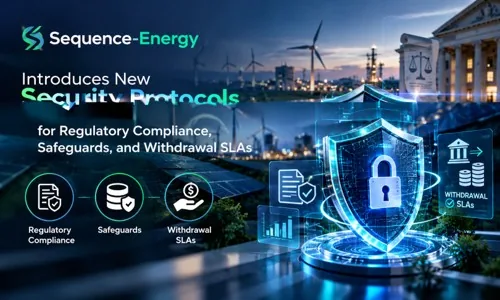
Vilnius, Lithuania, Oct. 14, 2026 /CourierPR/ -- Sequence-Energy, a technology and transaction-focused company, has introduced a comprehensive security protocol framework aimed at enhancing regulatory compliance, operational safeguards, and withdrawal service-level agreements (SLAs). This new framework is designed to address a wide range of security and operational considerations for financial activities, account access, transaction processing, and withdrawal procedures.
The framework includes several key components that are essential for maintaining robust security and compliance. These include compliance controls, identity verification, transaction monitoring, data protection, account security, withdrawal procedures, risk management, recordkeeping, and service-level standards. By incorporating these elements, Sequence-Energy aims to ensure that its financial technology and digital transaction environments meet stringent regulatory requirements.
Compliance controls are a core aspect of the new framework. These controls encompass customer identification procedures, verification requirements, transaction monitoring, sanctions screening, risk assessment, record retention, and reporting processes. Sequence-Energy has integrated these compliance-oriented controls to ensure that all financial activities are conducted in a manner that adheres to regulatory standards.
Security safeguards are another primary component of the framework. These safeguards include access controls, authentication procedures, account monitoring, data security, system controls, transaction verification, and incident response processes. These measures are designed to protect against unauthorized access, suspicious activity, operational errors, and other transaction-related risks.
Withdrawal procedures form a separate component of the framework. These procedures establish defined service expectations for processing withdrawal requests, verification stages, transaction reviews, and completion procedures. The withdrawal SLAs provide operational benchmarks for handling withdrawal requests while ensuring consistency across different transaction scenarios. The withdrawal processing may involve multiple stages, depending on the account status, transaction characteristics, verification requirements, compliance reviews, payment channels, and security assessments.
Transaction monitoring is also a critical component of the framework. This monitoring can identify unusual activity, irregular transaction patterns, repeated access attempts, unexpected account behavior, or other indicators requiring additional review. These monitoring procedures support risk assessment and escalation processes within financial and digital transaction environments.
Identity verification is another key compliance area. Verification procedures include the collection and assessment of required identification information, account authentication, document validation, and additional checks based on applicable regulatory or operational requirements. These verification controls support account integrity and reduce the risks associated with unauthorized account activity.
Data protection is a significant part of the security framework. Sensitive account and transaction information requires controlled access, appropriate handling procedures, secure storage, and defined data management practices. Security governance includes access permissions, authentication controls, monitoring mechanisms, and information-handling procedures.
Incident response represents an additional operational safeguard. Security incidents can involve unauthorized access attempts, suspicious transactions, technical disruptions, account security concerns, or system anomalies. Defined escalation procedures support investigation, documentation, containment, and resolution processes.
Recordkeeping provides another component of compliance management. Transaction records, verification records, security events, compliance reviews, and withdrawal activity support operational documentation and regulatory reporting requirements. Consistent recordkeeping also provides an audit trail for internal reviews and compliance assessments.
The introduction of these security protocols reflects broader developments across financial technology, digital transactions, compliance management, cybersecurity, and payment operations. Increasing regulatory attention toward digital financial activity has underscored the importance of documented procedures, security controls, transaction monitoring, and clearly defined operational standards.
Sequence-Energy's framework combines regulatory compliance considerations with security safeguards and withdrawal service standards. The structure provides defined categories for compliance management, account protection, transaction oversight, data security, incident response, and withdrawal processing. The framework also establishes a foundation for ongoing review of security controls and operational procedures. As regulatory requirements, cybersecurity conditions, transaction risks, and digital payment environments evolve, the company will need to periodically assess and update its procedures to ensure continued compliance and security.