Childhood Cancer Survival Rates Rise to 87%
News related to:Medicana Health Group · 2 min read
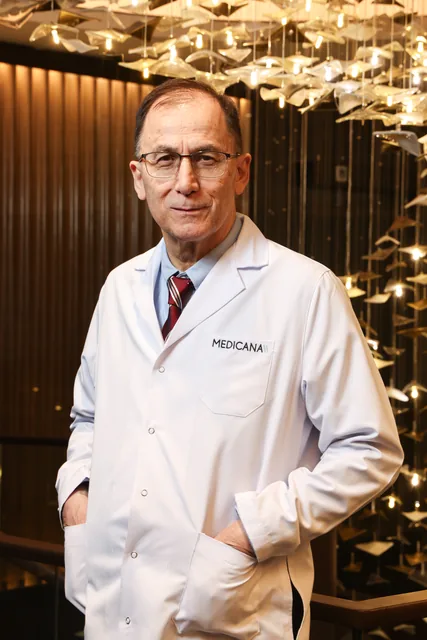
ISTANBUL, Türkiye, Oct. 07, 2026 /CourierPR/ -- Childhood cancer treatment success has risen from around 25% in the 1960s to approximately 87% today, according to Professor Tezer Kutluk, Chair of Medicana’s Scientific Board and a paediatric oncologist at Medicana Zincirlikuyu Hospital, part of Medicana Health Group. This significant improvement in outcomes reflects advances in diagnosis and treatment over the past decades.
Professor Kutluk highlighted that the 87% figure represents an overall outcome across childhood cancers, with success rates exceeding 90% in some cancers. However, outcomes remain poorer in certain high-risk diseases. Children’s prospects also vary considerably between countries and regions. The World Health Organization estimates that 400,000 children and adolescents aged 0-19 develop cancer each year. More than 80% are cured in high-income countries, compared with less than 30% in many low- and middle-income countries, highlighting the gap between medical progress and access to treatment.
Targeted therapies are opening new treatment options in paediatric oncology. Examples include anti-GD2 antibodies for high-risk neuroblastoma, NTRK inhibitors for NTRK fusion-positive infantile fibrosarcoma and certain brain tumours, and BRAF and MEK inhibitors for selected brain tumours. Professor Kutluk expects targeted and personalised treatments to become more widely used in childhood cancers in the coming years.
Alongside these developments, early and accurate diagnosis, prompt access to suitable treatment, and attention to long-term quality of life remain central to improving outcomes. Persistent, unexplained symptoms such as unexplained bruising or bleeding, persistent fever, enlarged lymph nodes, abdominal swelling, ongoing bone pain, persistent headaches, or unexplained morning vomiting may warrant medical assessment. A white reflection in the pupil, rather than the usual red reflex, is a warning sign associated with retinoblastoma. These symptoms do not necessarily indicate cancer, and families should seek medical advice when symptoms are unexplained, persist, or fail to improve.
Leukaemia accounts for approximately one-third of childhood cancers, with other diagnoses including lymphomas, brain tumours, neuroblastoma, bone and soft-tissue tumours, Wilms tumour, and retinoblastoma. Symptoms vary according to the cancer and its location. Families should keep up with routine medical check-ups appropriate to their child’s age and seek medical advice without delay when suspicious symptoms appear.
Professor Kutluk noted that there is no standard cancer screening method recommended for healthy children. However, every baby, child, and young person needs regular medical check-ups. Care must support the child and the family, with cooperation between parents and doctors, support from other healthcare professionals, and psychosocial support being important parts of the treatment process.
Children in lower-income countries, conflict zones, and areas facing severe economic hardship could have substantially lower chances of survival. Improving access to diagnosis and treatment must accompany scientific advances if more children are to benefit. Founded in 1992, Medicana Health Group is one of Turkey’s leading privately owned healthcare providers, operating 19 hospitals in Turkey, the United Kingdom, and Bosnia and Herzegovina. Serving more than 5 million patients annually, including a significant international patient base, Medicana delivers multidisciplinary care across a broad range of specialties with a strong focus on clinical excellence and patient-centered service.