Superior Lawn Care Advises Homeowners to Diagnose Brown Grass Before Fall Repairs
News related to:Superior Lawn Care · 2 min read
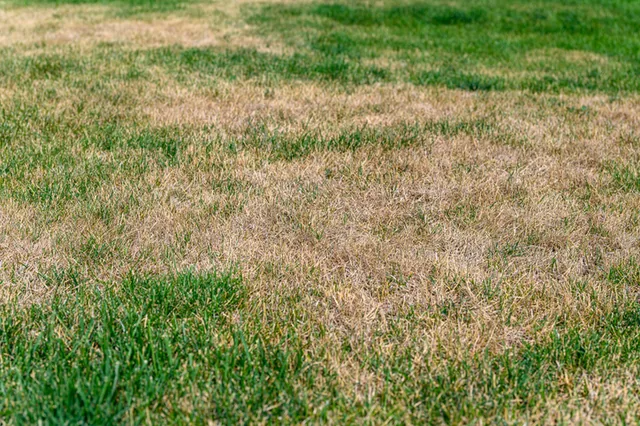
New Stanton, PA, Oct. 28, 2026 /CourierPR/ -- Superior Lawn Care, a Western Pennsylvania-based company with over four decades of experience, advises homeowners in the region to diagnose their brown or thinning grass before planning fall lawn repairs. The company emphasizes that late summer discoloration and thinning can be caused by a variety of factors, not just a lack of water or new seed.
Heat and drought stress are common reasons for grass losing color in summer, especially after extended periods of high temperatures or limited rainfall. However, other factors can contribute to the problem. Humidity and prolonged moisture can lead to fungal lawn diseases, while insects and grubs can weaken turf above ground by damaging roots below the soil surface. Compacted soil can add another source of stress by limiting the conditions grass roots need to remain healthy.
To diagnose the issue, homeowners should start by examining the pattern and location of the brown or thinning areas. Scattered spots, broad dry-looking areas, generally thin turf, or completely bare sections can provide clues. Next, homeowners should inspect the grass blades for unusual spots, lesions, reddish coloring, or other visible symptoms. They should also check the roots and turf attachment to see if the grass remains firmly rooted or if it pulls up unusually easily. Finally, homeowners should assess the soil conditions to determine if the soil appears hard or compacted, excessively wet, unusually dry, or otherwise different in the affected area.
Superior Lawn Care recommends that homeowners look at these clues together to distinguish temporary summer stress from a problem that may require a different response. For example, a lawn problem that looks entirely above ground may also involve what is happening beneath the surface. Brown grass that remains firmly rooted may indicate a different issue than turf that loosens or pulls up easily.
The company also notes that seasonal weather conditions in Western Pennsylvania can create favorable conditions for fungal lawn diseases. Common regional concerns include red thread and dollar spot. Red thread may produce reddish, pink, tan, or bleached-looking areas, while dollar spot may appear as small tan or light-brown spots that can eventually merge into larger areas of damaged turf. Homeowners can review Superior Lawn Care’s guide to red thread, dollar spot, and other lawn diseases in Pittsburgh for more information.
Insects or grubs can also be responsible for lawn problems. A lawn that appears to have root damage may be the result of grubs feeding on turf roots. This can make sections of grass weaken, turn brown, or become easier to pull up. Homeowners should consider the root condition as part of the diagnostic process.
Compacted soil can contribute to turf stress and make it harder for grass roots to receive the air, water, and nutrients they need. Superior Lawn Care offers fall core aeration, a process designed to relieve soil compaction by removing small plugs of soil. The company also offers fall overseeding to introduce new grass into thin areas.
Homeowners concerned about brown, thin, or patchy grass can visit Superior Lawn Care online or call 800-953-7100 to learn more or request a free estimate.