San Diego Zoo Wildlife Alliance Establishes Third Pacific Pocket Mouse Population
News related to:San Diego Zoo Wildlife Alliance · 3 min read
SAN DIEGO, Oct. 6, 2026 /CourierPR/ -- San Diego Zoo Wildlife Alliance has achieved a significant milestone in its 20-year conservation journey by establishing a third population of Pacific pocket mice at North San Mateo, a training area within Marine Corps Base Camp Pendleton. This new population marks a crucial step in the recovery of one of North America's most endangered mammals.
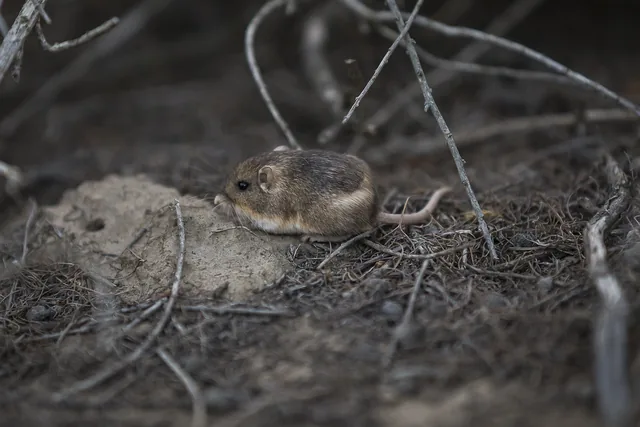
The Pacific pocket mouse, the smallest and one of the most endangered mammals in North America, has been the focus of intensive conservation efforts since its rediscovery in 1993. A small remnant population was found in Orange County, leading to emergency listing under the federal Endangered Species Act. Since then, conservationists have worked tirelessly to prevent the species from disappearing again.
In 2006, San Diego Zoo Wildlife Alliance launched its Pacific Pocket Mouse Conservation Program. Over the years, the program has made significant strides in advancing scientific understanding of the species, developing conservation strategies, and establishing new populations. More than 500 Pacific pocket mice have been released into new and existing populations throughout their native range, contributing to the overall recovery of the species.
The first reintroduced population was established in Laguna Coast Wilderness Park in Orange County in 2016. A second population was established at Marine Corps Base Camp Pendleton in 2024. The new population at North San Mateo represents the third reintroduced population, furthering the collaborative efforts of San Diego Zoo Wildlife Alliance, the U.S. Fish and Wildlife Service, California Department of Fish and Wildlife, U.S. Geological Survey, and Marine Corps Base Camp Pendleton.
The Pacific pocket mouse, measuring about the size of a human thumb and weighing approximately as much as three pennies, plays a vital role in Southern California's coastal ecosystems. The species' recovery is not only a conservation success but also a testament to the ongoing commitment of San Diego Zoo Wildlife Alliance and its partners.
Since its inception, the Pacific Pocket Mouse Conservation Program has advanced scientific understanding of the species and developed conservation strategies to protect existing populations, restore habitat, and establish new ones. In 2012, the program added a conservation breeding effort to produce genetically diverse and behaviorally competent mice for release into their native habitat.
The effort to establish the third population of Pacific pocket mice is part of a collaborative partnership between San Diego Zoo Wildlife Alliance, the U.S. Fish and Wildlife Service, California Department of Fish and Wildlife, U.S. Geological Survey, and Marine Corps Base Camp Pendleton. Together, these organizations have worked to protect and grow Pacific pocket mouse populations, restore and manage habitat, and develop the scientific knowledge needed to support the species' recovery.
San Diego Zoo Wildlife Alliance, a nonprofit conservation leader, has inspired passion for nature and collaboration for a healthier world. The Alliance supports innovative conservation science through global partnerships and groundbreaking efforts at the world-famous San Diego Zoo and San Diego Zoo Safari Park, both leading zoological institutions and accredited botanical gardens. Through wildlife care expertise, cutting-edge science, and continued collaboration, more than 44 endangered species have been reintroduced to native habitats. The Alliance reaches over 1 billion people annually through its two conservation parks and media channels in 170 countries, including San Diego Zoo Wildlife Explorers television, available in children's hospitals across 14 countries. Wildlife Allies, members, donors, and guests, make success possible.