Pet Ownership Reaches New Heights as Health Benefits Gain Widespread Awareness
News related to:HABRI · 3 min read
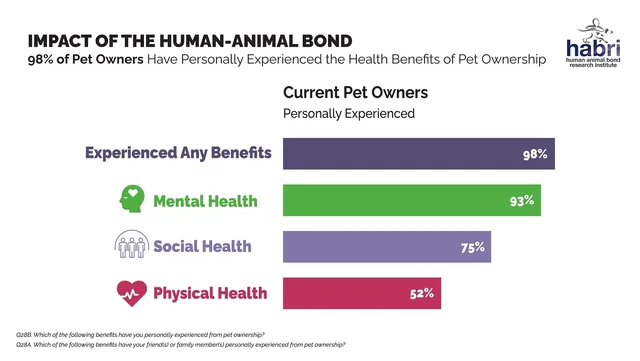
WASHINGTON, Oct. 19, 2026 /CourierPR/ -- The Human Animal Bond Research Institute (HABRI) has released the results of its 2026 Human-Animal Bond Benchmark Survey, revealing a significant shift in public perception and pet ownership trends. According to the survey, 98% of pet owners reported experiencing at least one health benefit from their pets, and 62% of all Americans, including non-pet owners, have had conversations about the health benefits of pets. These discussions have led to widespread awareness, with 97% of all Americans stating they are aware of at least one researched-backed health benefit of pet ownership.
The survey also found that 74% of Americans now own at least one pet, with another 15% planning to get one in the future. Pet owners are now keeping more pets than ever before, with 64% reporting multi-pet households. The average number of pets per household is three, and when counting only dogs and cats, the average is 2.2. This trend indicates a growing recognition of the health benefits associated with pet ownership.
Support for pet-inclusive policies is also on the rise. Among all Americans, 83% believe public spaces should be pet friendly, 81% would be more likely to buy products and services from pet-friendly businesses, and 80% advocate for fewer restrictions on pets in rental housing. These findings underscore the growing cultural acceptance of pets in various aspects of daily life.
The mental health benefits of pets are widely recognized. The average American is aware of 18 different health benefits of pets, up from 12 in 2021. The most commonly known benefits include easing loneliness (92%), reducing depression (89%), reducing stress (88%), and helping people cope with difficult life situations (87%).
Knowledge of the science behind these benefits is influencing pet care practices among current pet owners. According to the survey, 94% agree that understanding the research on the health benefits of pets makes them more likely to spend more time with their pets. Similarly, 91% believe that knowledge of the research makes them more likely to maintain their pets' health, including regular check-ups with their veterinarian. Additionally, 88% said that knowledge of the research makes them more likely to provide their pets with high-quality nutrition, and 91% are more likely to take better care of their pets overall.
The strength of the bond between humans and their pets also shapes how people care for their animals. Pet owners with the strongest bonds are more likely to have a veterinarian (94% vs. 86%) and keep up with preventive care such as vaccinations (84% vs. 77%).
Future pet owners are motivated by the companionship, emotional support, and improved mental and physical health that pets can provide. Eighty-seven percent of future pet owners are driven by the desire for companionship, 74% for emotional support, 71% for less loneliness, 68% for better mental health, and 55% for better physical health. Family life is also a key driver of pet ownership, with 77% of parents saying their children want pets.
The survey also highlights potential barriers to pet ownership. Housing that prohibits or restricts pets is a significant challenge, with 29% of potential pet owners worried about finding pet-friendly housing. More than a quarter of those who rent (27%) cite housing restrictions as a reason they do not have a pet. Additionally, 31% of current pet owners who rent report housing-related challenges, and 14% have changed their housing to get a pet. The overall cost of pet ownership is another barrier, with 37% of future pet owners citing it as a concern. Thirty-six percent are waiting for the right time to get a pet, showing a thoughtful approach to pet acquisition.
HABRI's data indicates a cultural tipping point where the human-animal bond is deeply woven into daily life.