Chula's Teak Forest Stores Carbon, Educates Public
News related to:Chulalongkorn University · 2 min read
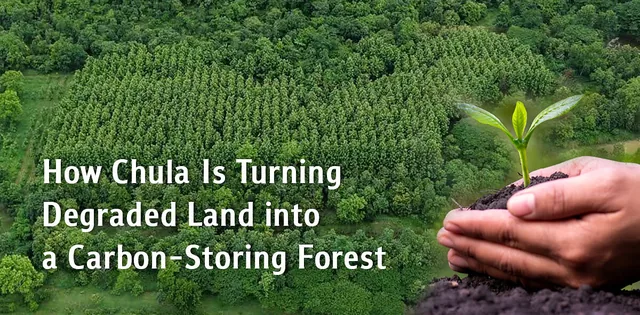
BANGKOK, Nov. 4, 2026 /CourierPR/ -- Chulalongkorn University has transformed a degraded farmland in Saraburi, Thailand, into a thriving teak forest that has stored 316.707 metric tons of carbon dioxide equivalent over the past year. This initiative, known as the 11-rai Mahesak, Sak Siamin Carbon Sequestration Forest, has also served as a hands-on climate education center, welcoming more than 1,000 learners.
The forest began its journey in June 2013 when 1,100 teak trees were planted as part of a nationwide initiative honoring King Bhumibol Adulyadej The Great. Over the past decade, the trees have not only contributed to carbon sequestration but have also restored habitat for birds, insects, and other wildlife. The continued growth monitoring of the forest provides valuable data for ecological and forest management research.
In recognition of its efforts, the forest received official recognition under the Thailand Greenhouse Gas Management Organization's Low Emission Support Scheme (LESS) on June 10, 2026. While LESS acknowledges the forest's carbon storage capabilities, it does not issue tradable carbon credits.
The educational impact of the forest extends beyond its immediate surroundings. Chula students and the center have expanded their educational efforts to 13 schools in Nan Province. Through online training and field activities, they have helped teachers and students measure trees and prepare forestry activities for LESS registration. This initiative underscores the university's commitment to integrating environmental education into the broader community.
Building on its experience with LESS, Chulalongkorn University is also developing expertise in carbon-credit certification through the Chula Saraburi Carbon Credit Learning Forest Project. Registered under Standard T-VER in May 2025, this project is expected to reduce greenhouse gas emissions by approximately 217 metric tons of carbon dioxide equivalent annually during the 2024-2034 crediting period. The project serves as a learning site for developing forestry projects that can generate tradable carbon credits.
The Mahesak, Sak Siamin Carbon Sequestration Forest exemplifies how even small community green spaces can store significant amounts of carbon when trees receive sustained care. This initiative not only contributes to carbon neutrality but also serves as a vital educational resource, demonstrating the tangible benefits of forest restoration and climate education.