Brain Aneurysm Foundation Awards $650,000 in Research Grants
News provided byBrain Aneurysm Foundation · 3 min read
The Brain Aneurysm Foundation is marking Brain Aneurysm Awareness Month this September with a series of national initiatives aimed at advancing research, education, and community support. The month's activities center around the 20th Annual Research Grant Symposium in Louisville, Kentucky, where the Foundation will award a record $650,000 in research grants.
On September 17, researchers from across the United States and Canada will gather in Louisville for the symposium, which will include the announcement of 18 new research projects. These projects cover a wide range of areas, including genetics, artificial intelligence, diagnostics, imaging, and new treatment strategies. Since 2007, the Foundation has invested more than $7 million in research, significantly contributing to the understanding of brain aneurysms and developing new approaches to detection and treatment.
Christine Buckley, Executive Director of the Brain Aneurysm Foundation, emphasized the importance of the month's activities. "Brain Aneurysm Awareness Month brings together all aspects of our mission, researchers, clinicians, survivors, and families, working towards earlier detection, better treatments, and ultimately, fewer lives lost or permanently changed by brain aneurysm rupture."
An estimated one in 50 people in the United States is living with an unruptured brain aneurysm, and approximately 30,000 Americans suffer a rupture each year. More than 70 percent of those who survive a rupture will face long-term neurological challenges.
The month also highlights the Foundation's ongoing advocacy work. In 2011, the Foundation led a multi-year effort to secure U.S. Senate recognition of September as National Brain Aneurysm Awareness Month. The organization continues to push for increased federal funding for brain aneurysm research, including through the bipartisan bill known as Ellie's Law, which aims to provide additional funds to the National Institutes of Health.
The Foundation's activities throughout September include:
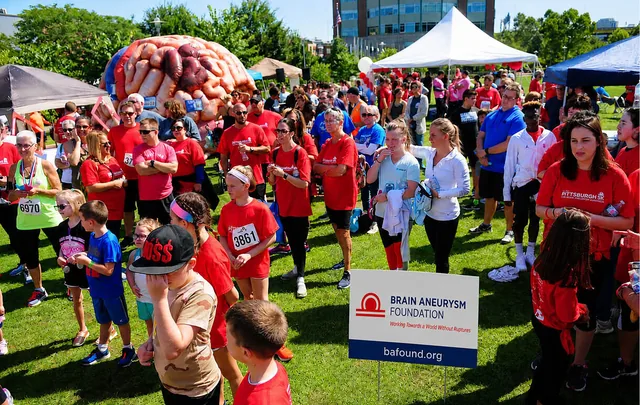
- The 20th Annual Research Grant Symposium in Louisville, which will showcase the latest findings and foster collaboration among researchers. - BAF runs and walks events in various cities, including Long Island, Louisville, Philadelphia, New York City, Fredericksburg, Virginia, and Chicago. - Landmarks across the country will be illuminated in recognition of Brain Aneurysm Awareness Month, including the Big Four Bridge in Louisville on September 21 and buildings and bridges in Boston on September 25. - National education, advocacy, and social media initiatives will focus on brain aneurysm risk factors, warning signs, early detection, and the experiences of survivors and families. - The Foundation will engage with federal lawmakers and staff to advocate for increased funding for brain aneurysm research. - A webinar on September 24 will help primary care clinicians and first responders recognize key signs and symptoms, understand risk factors and treatment options, and provide timely support. - On September 26, the BAF will host its first global Virtual Community Support Group for survivors and caregivers.
The Brain Aneurysm Foundation's ongoing efforts to increase awareness and support for brain aneurysms have been recognized as significant by leading neurologists and neuroscientists. "Few organizations have had a more consequential impact on the brain aneurysm field than the Brain Aneurysm Foundation," said Walter Koroshetz, M.D., a leading neurologist and former director of the National Institute of Neurological Disorders and Stroke. "The Foundation has been instrumental in bringing together investigators and clinicians, educating patients and medical professionals, and giving survivors and families a national voice."
Throughout the year, the Foundation continues to work on educating the public about brain aneurysm warning signs, encouraging early detection among high-risk individuals, advocating for increased federal research funding, and providing education and support to those affected by the condition.