Benjamin Schenk Appointed to Plaintiffs' Steering Committee in ChatGPT Product Liability Case
News related to:OpenAI · 1 min read
SAN DIEGO, Oct. 14, 2026 /CourierPR/ -- San Diego attorney Benjamin Schenk has been appointed to the Plaintiffs' Steering Committee in a landmark product liability lawsuit against OpenAI, marking a significant development in the legal challenges surrounding AI chatbots. The case, titled In re ChatGPT Product Liability Cases, Judicial Council Coordination Proceeding (JCCP) No. 5431, is among the first in the United States to question whether artificial intelligence (AI) chatbots are subject to traditional liability laws.
The lawsuit, which involves more than twenty lawsuits filed in San Francisco, Los Angeles, Alameda, and San Diego counties, alleges that OpenAI's ChatGPT has harmed users by failing to provide adequate safeguards for individuals in mental health crises. The plaintiffs, who come from across the country, have brought claims of design defect, failure to warn, negligence, wrongful death, and the unlicensed practice of medicine. OpenAI has disputed these allegations.
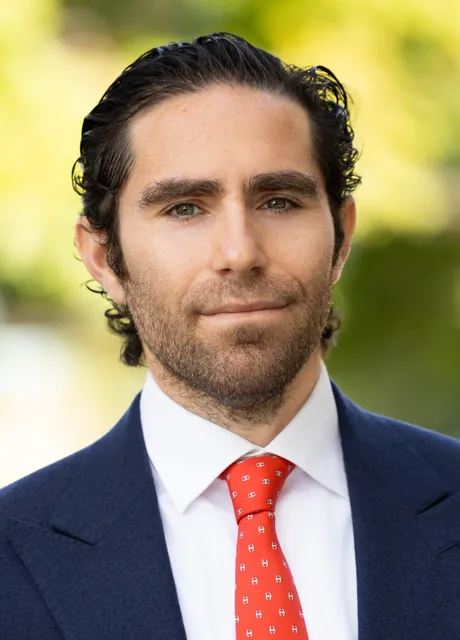
Schenk, a partner with The Schenk Law Firm, will play a crucial role in guiding the coordinated plaintiffs' cases. The steering committee will provide leadership for the coordinated plaintiffs' cases, helping to guide common issues, including pleadings, discovery, and pretrial strategy.
According to Schenk, the litigation comes as courts nationwide are grappling with how long-established product liability principles apply to artificial intelligence.
The Schenk Law Firm, headquartered in San Diego, is a full-service practice specializing in personal injury, mass tort, and business advisory. The firm's co-founder, Benjamin Schenk, is an active participant in the fast-moving field of AI litigation. His appointment to the Plaintiffs' Steering Committee underscores the firm's commitment to representing the interests of those harmed by emerging technologies.
The case involves multiple plaintiffs from across the country, highlighting the widespread concerns about the safety and responsibility of AI chatbots. As the legal landscape evolves, this case is expected to set important precedents for future AI-related litigation.